












The use of gradients in design is not a recent phenomenon. For decades, gradients have come and gone in waves, from the vibrant and bold designs of the 90s to their occasional stints in minimalism. However, in recent years, gradients have experienced a remarkable resurgence in the world of digital design. Their comeback is not just a fleeting trend—it’s reshaping the visual landscape of modern aesthetics. But what exactly is behind this revival, and why has it become such a pivotal design element today?
This article explores the reasons why gradients have made such a significant return, their role in enhancing user experience, and how they influence the visual identity of brands, apps, and websites. We’ll dive into their psychological impact, technological advancements, and the interplay between gradients and contemporary design philosophies.
1. A Short History of Gradients in Design
Gradients, in the simplest sense, are smooth transitions from one color to another. Their history in graphic design dates back to the early days of print and analog art. In the 20th century, artists and designers experimented with gradients to create depth, dimension, and a sense of realism. However, it was in the digital age, particularly in the 1990s, that gradients gained widespread popularity, particularly in user interface (UI) design. Web pages during this period often featured bold gradient backgrounds and buttons that appeared almost three-dimensional.
With the arrival of flat design in the early 2010s, gradients were discarded in favor of minimalist, clean interfaces. Flat design prioritized simplicity and legibility, often using solid colors and subtle shadows. But as we moved into the late 2010s and early 2020s, design principles began to shift again. The demand for dynamic, engaging visuals, coupled with advances in technology, has led to a resurgence of gradients.
2. The Appeal of Gradients in Modern Design
Gradients are more than just a visual element; they hold the power to transform the mood, depth, and emotion of a design. The reason behind their impact lies in the following factors:
A. Emotional Impact: Crafting Atmosphere and Tone
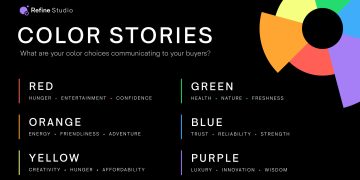
One of the most compelling reasons for gradients’ return is their ability to evoke strong emotional responses. Colors, when blended and transitioned smoothly, can convey a wide range of moods—from calm and serene to vibrant and energetic. The right gradient palette can set the tone for an entire website, brand identity, or product interface.
For instance, a gradient of soft blues and greens can suggest tranquility, relaxation, and professionalism, making it perfect for health-related websites or mental wellness apps. On the other hand, a gradient of fiery reds and oranges can invoke a sense of excitement, urgency, and warmth, ideal for entertainment or retail brands looking to engage users with energy and passion.
Gradients allow designers to create nuanced atmospheres that might be difficult to achieve with solid colors. The gradual transition between hues mirrors the natural world, where colors shift seamlessly in sunsets, skies, or oceans. This fluidity makes gradients more visually interesting and psychologically engaging than flat, one-tone colors.
B. Depth and Dimension: Adding Visual Interest
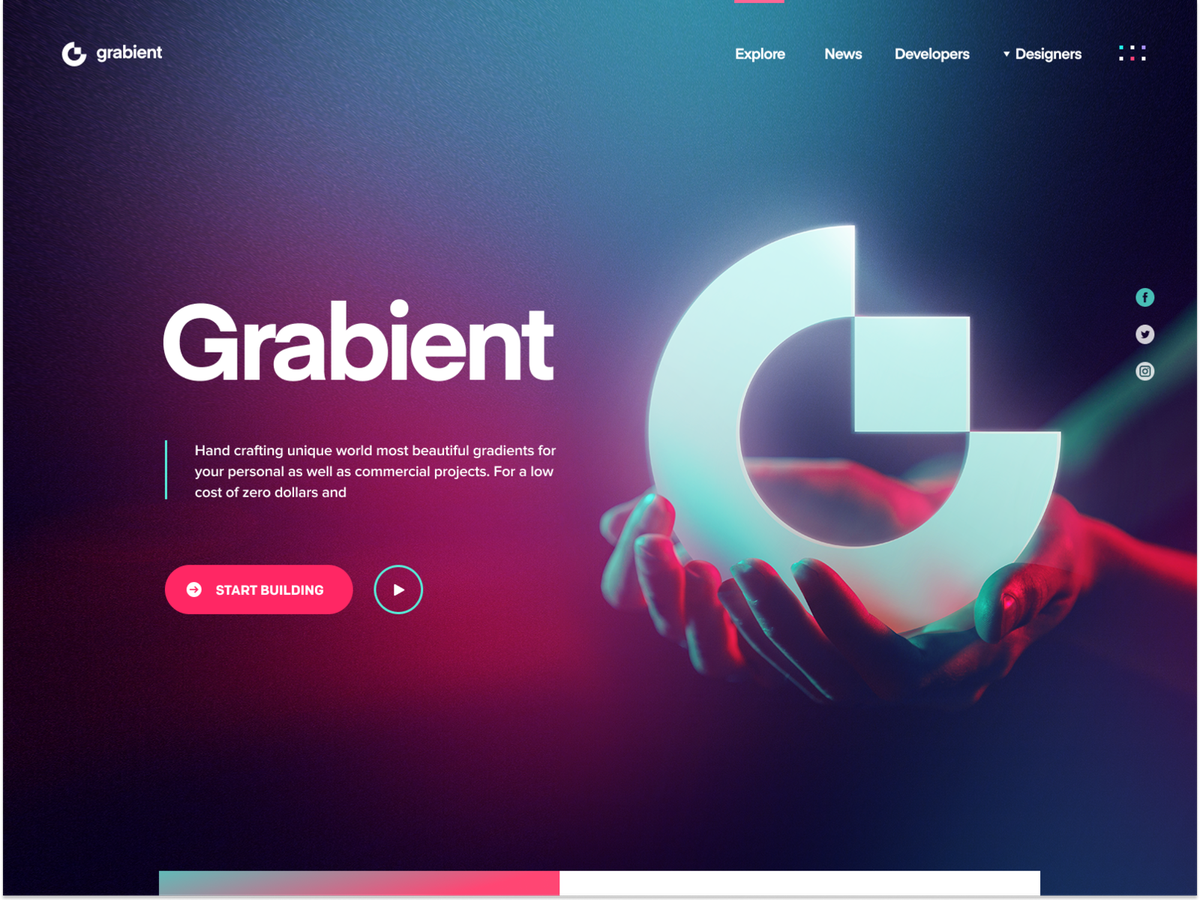
Flat design, while clean and easy to navigate, often lacks the visual depth that makes a website or application feel dynamic. Gradients break up the monotony of flat color schemes and can be used to create subtle or striking visual depth. A gradient can give the illusion of three-dimensionality, enhancing the user’s perception of a website or product interface.
The ability to use gradients to simulate depth is one reason why they’ve become so popular in user interface (UI) and web design. Buttons, for example, can look more interactive and clickable when they transition from one color to another, subtly signaling that they are an element the user can engage with. This provides a more tactile and intuitive experience.
C. Versatility: Adapting to Diverse Design Styles
One of the most intriguing qualities of gradients is their ability to adapt to virtually any design style, whether modern, retro, minimalist, or maximalist. In fact, gradients can be tailored to meet specific design aesthetics, adding uniqueness without overpowering the rest of the composition.
For example, gradients have taken on a sleek, modern appearance in tech websites and apps, where subtle transitions and muted palettes can highlight futuristic sensibilities. On the other hand, vibrant gradients, reminiscent of the early digital era, have made their way into retro-inspired designs, where neon colors and bold transitions evoke a sense of nostalgia.
The flexibility of gradients also extends to responsive web design. With the variety of screen sizes and devices in today’s world, gradients scale well and retain their visual impact on both large desktop monitors and smaller mobile screens. This adaptability makes gradients a great choice for ensuring that a design works across different platforms without losing its effectiveness.
3. Gradients and Technological Advancements
Technological innovations have played a major role in the comeback of gradients in modern design. The tools and platforms available to designers have evolved rapidly, and with them, the ability to create more complex and sophisticated gradient effects.
A. Improved Software Tools
In the past, creating gradients required a great deal of technical skill and was often limited by the software available at the time. But today, design software such as Adobe Illustrator, Figma, and Sketch have incorporated more advanced gradient tools, making it easier for designers to experiment with gradients and achieve precise, visually appealing results.
Designers can now create multi-stop gradients with ease, allowing for more complex blends and transitions. These tools also support gradients with more intricate effects, such as radial gradients, angular gradients, and mesh gradients, adding further layers of versatility to their designs.
B. CSS Gradients in Web Development
In web development, CSS gradients have revolutionized how gradients are implemented in website design. Previously, designers would rely on images or complex workarounds to create gradient backgrounds. Now, CSS allows for the direct application of gradients in HTML, making it easier for developers to implement them and ensuring faster load times, as they no longer need to rely on image files.
With the advent of CSS3, gradients can now be dynamically applied, making it possible to create gradients that change over time or react to user input. This has enabled designers to craft more interactive and immersive web experiences, where gradients can subtly change based on a user’s scrolling behavior or time of day.

C. Support for High-Quality Displays
As display technology continues to improve with higher resolution screens and more vibrant color reproduction, gradients have become even more striking. The smooth transitions between colors are more noticeable on high-definition displays, where the subtle shifts in hue can enhance visual aesthetics and bring a more immersive experience to the user.
Additionally, the emergence of AMOLED (Active Matrix Organic Light Emitting Diode) and OLED screens, which are capable of producing deep blacks and vibrant colors, has made gradients look even more visually stunning. These displays allow gradients to appear with more depth, contrast, and richness, making them an ideal choice for mobile apps and websites.
4. Gradients in Branding and Visual Identity
In the world of branding, first impressions matter. And with the resurgence of gradients, brands are capitalizing on their ability to create distinctive, memorable identities. The choice of gradient not only communicates a brand’s visual style but also reflects its values, personality, and emotional appeal.
A. Emotional Resonance with Audiences
Brands understand the psychological power of color, and with gradients, they can enhance this impact. A gradient can be used to reflect the energy, excitement, or tranquility of a brand. For example, Instagram’s signature gradient—from vibrant purple to deep orange—is symbolic of creativity, dynamism, and community. Similarly, brands like Spotify use gradients to evoke energy, movement, and musical creativity.
Gradients are also useful in helping brands stand out. In a crowded marketplace, a unique gradient can become instantly recognizable, making it easier for customers to identify and engage with the brand. The shift from a flat logo to one with a gradient can breathe new life into a brand’s image, signaling a modern, forward-thinking approach.
B. Gradients as Part of Brand Storytelling
The emotional effect of gradients extends beyond their use in logos and color schemes. Gradients can help brands tell a visual story. Take, for example, the shift from one color to another in a gradient: it represents transition, growth, and change—concepts that many companies use to convey a sense of evolution or progress.
This aspect of storytelling is particularly powerful in the tech and startup world, where companies want to communicate innovation and a constant state of development. Whether it’s an evolving product, a dynamic business model, or the transformation of a company’s values, gradients can symbolize progress and forward momentum.
5. The Future of Gradients in Design
As we look toward the future, it’s clear that gradients are here to stay in modern design. But what does the future hold for this powerful design tool?
A. Integration with AI and Machine Learning
With the rise of artificial intelligence and machine learning, gradients are likely to evolve even further. AI-powered design tools might soon offer real-time gradient recommendations based on a brand’s style or a user’s preferences. We may also see more AI-driven gradients that adapt to user behavior, location, or environmental context—offering personalized, dynamic visual experiences.
B. More Experimental Gradients
As designers continue to push the boundaries of creativity, we can expect to see even more experimental uses of gradients in the years to come. From holographic effects to gradients that shift in response to movement or sound, new technologies will give designers the ability to create never-before-seen effects that blur the line between digital and physical spaces.
6. Conclusion
Gradients’ comeback in modern design is not just a fleeting trend. It’s a multifaceted revival driven by their emotional power, versatility, and technological advancements. Whether enhancing user experience through subtle transitions or helping brands tell compelling visual stories, gradients have proven their worth as a design element that offers depth, personality, and timeless appeal.
As we continue to see innovations in design tools, screen technology, and user behavior, gradients will undoubtedly remain a staple in the designer’s toolkit. They are more than just a passing trend—they are a powerful tool for creating engaging, impactful visual experiences.