












Greenland, an isolated landmass situated between the Arctic and Atlantic Oceans, has become a beacon for eco-tourism enthusiasts worldwide. While the island’s vast and pristine landscapes seem to belong to a forgotten world, this is precisely what makes it such an attractive destination for those seeking a unique eco-friendly adventure. Greenland is not just about icy vistas and glaciers—it’s an intricate ecosystem that’s home to some of the most awe-inspiring natural beauty on Earth, and it holds the promise of an eco-tourism experience that’s second to none. This article explores why Greenland has gained traction as a premier eco-tourism haven, while also evaluating the challenges and responsibilities that come with such a title.
The Allure of Greenland’s Natural Beauty
Glaciers and Icebergs: Nature’s Art Gallery
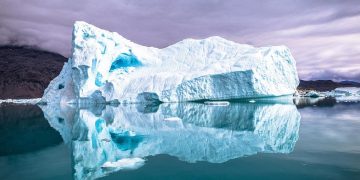
One of Greenland’s most captivating features is its glaciers and icebergs. Around 80% of the island is covered by an ice sheet, making it one of the most important sources of freshwater in the world. Visitors to Greenland can embark on unforgettable excursions to witness massive glaciers calving into the sea or take boat rides to explore the floating, blue-tinted icebergs that dot the coastline. These monumental ice structures are not just visually spectacular; they are also vital to the island’s unique ecosystem, supporting a diverse range of marine life.
Arctic Wildlife: A Delicate Balance
The wildlife in Greenland is as remarkable as the scenery. The island’s ecosystems support a variety of species, from polar bears and musk oxen to whales and seabirds. One of the most striking experiences for eco-tourists is the opportunity to witness wildlife in its natural, undisturbed habitat. Whether it’s spotting the majestic humpback whale during a boat tour or observing a polar bear in the distance, Greenland offers opportunities for intimate wildlife encounters that are far from commonplace.
The island’s ecosystems are fragile, however. Many species here are affected by climate change, which threatens both their habitats and their survival. This has led to a growing demand for responsible tourism practices that can minimize environmental impact while still allowing visitors to experience these wonders up close.
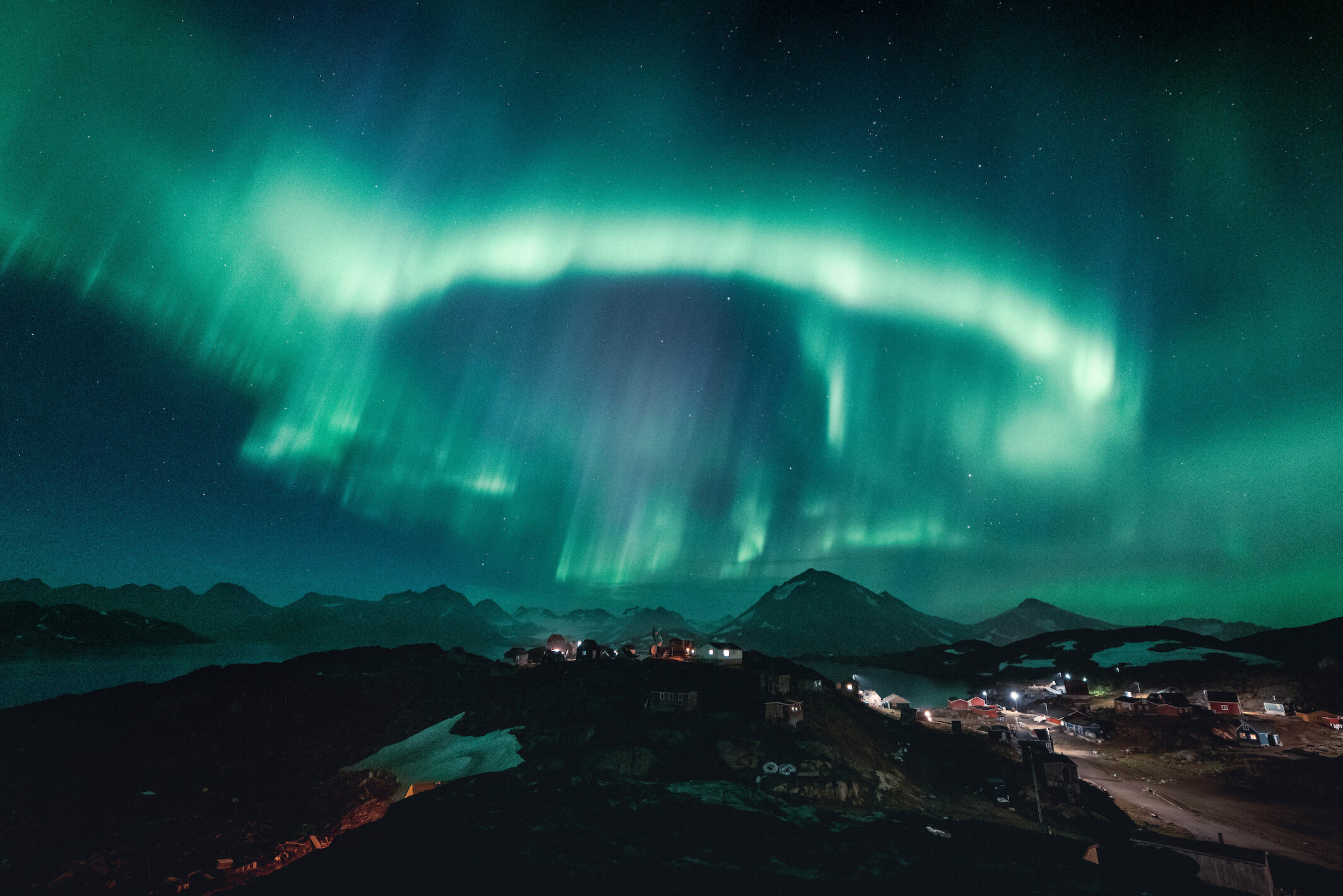
The Northern Lights: Nature’s Light Show
Greenland is also one of the best places in the world to witness the Northern Lights. During the long winter months, the aurora borealis lights up the Arctic skies in a dazzling display of colors. Tourists flock to Greenland for the chance to experience this natural wonder, which adds a layer of enchantment to the island’s eco-tourism appeal. The beauty of the lights, combined with the surrounding pristine environment, creates a truly immersive experience that many eco-tourists find irresistible.
Greenland’s Sustainable Tourism Efforts
Low-Impact Travel Options
One of the main principles of eco-tourism is minimizing the environmental footprint. Greenland’s approach to eco-tourism is rooted in sustainability, with many local tour operators offering low-impact travel options. For instance, some operators focus on small group tours, which help limit the strain on local resources and reduce pollution. Activities such as hiking, kayaking, and dog sledding are often chosen for their minimal environmental impact, allowing tourists to experience the island’s natural wonders without compromising its delicate ecosystem.
Many of Greenland’s accommodations also align with eco-tourism values. Some hotels and guesthouses are built with environmentally friendly materials, and they implement energy-efficient systems to reduce their carbon footprint. Additionally, there is a strong emphasis on supporting local, sustainable food sources, with many establishments offering dishes made from fresh, locally sourced ingredients, such as fish, game meat, and vegetables.
Community-Led Tourism Initiatives
Another key aspect of Greenland’s eco-tourism movement is the involvement of local communities in the development and management of tourism initiatives. Indigenous Greenlandic communities, such as the Inuit, have been living in harmony with the land for thousands of years, and their knowledge of sustainable practices is invaluable in the development of eco-tourism. In some regions, local guides offer cultural and ecological tours, educating visitors on Greenland’s history, traditions, and environment.
This community-driven approach ensures that the benefits of tourism are spread throughout Greenland’s remote towns and villages. By supporting local businesses, tourists help promote economic growth in areas that are otherwise isolated from mainstream tourism. In turn, the local population has a vested interest in preserving the natural environment that draws visitors in the first place.
Eco-Friendly Transportation: Getting There and Around
Transportation is one of the biggest challenges facing eco-tourism in remote locations like Greenland. The island’s limited infrastructure means that most travelers need to fly to Greenland from Europe or North America. However, Greenland has made strides in promoting environmentally friendly travel options.
There are also initiatives to reduce the carbon emissions associated with travel within the island. For example, small electric boats are being introduced for tours of Greenland’s fjords, reducing pollution and protecting marine life. Additionally, there is a growing push to develop more sustainable air travel options to Greenland, including using biofuels and offsetting carbon emissions.

Challenges Facing Greenland’s Eco-Tourism Industry
While Greenland presents immense opportunities for eco-tourism, there are several challenges that need to be addressed in order to preserve the island’s pristine environment and its unique cultural heritage.
Climate Change: A Looming Threat
The most significant challenge facing Greenland’s eco-tourism sector is climate change. The island’s glaciers and ice sheets are melting at an alarming rate due to rising global temperatures. This not only impacts the local ecosystem and wildlife but also threatens the tourism industry itself. As the ice melts, the landscape is constantly shifting, and some of Greenland’s most iconic features, such as glaciers and icebergs, may no longer be as accessible in the future.
Furthermore, the changing climate is causing shifts in animal migration patterns, which could affect eco-tourists’ ability to see certain species. Local communities and tourism operators are already feeling the effects of these environmental changes, making it increasingly important for travelers to be aware of their ecological impact and choose sustainable travel options.
Over-Tourism: Balancing Growth and Sustainability
As more and more people discover Greenland’s natural wonders, there is a growing concern about the potential for over-tourism. Although Greenland is relatively remote and sparsely populated, certain areas are already experiencing an influx of visitors, particularly during the summer months. Over-tourism can lead to environmental degradation, overcrowding, and a strain on local resources, all of which undermine the principles of sustainable travel.
To combat over-tourism, there have been calls for limiting the number of visitors to certain sensitive areas and implementing more stringent regulations on tourism activities. This could help ensure that Greenland’s eco-tourism sector remains viable in the long term, providing both economic benefits for local communities and preservation of the island’s fragile environment.
Infrastructure Limitations
Greenland’s remote location and harsh climate pose challenges to the development of tourism infrastructure. While the island is home to a handful of modern accommodations and services, much of its infrastructure is still basic and underdeveloped. This limits the ability to scale eco-tourism operations and offer a wider variety of services to tourists.
Efforts are underway to improve transportation, accommodation, and communication networks, but this needs to be done carefully to avoid negatively impacting the environment. The key is to balance development with sustainability, ensuring that the infrastructure supports eco-tourism without overburdening the environment or local communities.
The Future of Eco-Tourism in Greenland
Greenland’s eco-tourism future is closely tied to its ability to adapt to environmental and social challenges while staying true to its commitment to sustainability. As the effects of climate change become more pronounced, it is crucial that the tourism industry remains proactive in mitigating its environmental impact.
Local communities, governments, and tourism operators will need to continue collaborating to promote responsible tourism practices. This could involve establishing eco-certification programs for tourism operators, creating sustainable travel guidelines for visitors, and ensuring that tourism development is aligned with environmental conservation efforts.
Moreover, raising awareness about the importance of protecting Greenland’s ecosystems and preserving its indigenous cultures will be key to fostering responsible tourism. As travelers become more conscious of their environmental impact, they will likely seek out destinations like Greenland that offer authentic, low-impact travel experiences.
Conclusion: A Unique Eco-Tourism Destination
In summary, Greenland has certainly earned its place as one of the world’s premier eco-tourism destinations. Its unparalleled natural beauty, commitment to sustainable tourism practices, and the opportunity to witness a rapidly changing environment make it an extraordinary place for eco-conscious travelers. However, the future of Greenland’s eco-tourism depends on a delicate balance between growth and sustainability. By prioritizing responsible tourism practices and supporting local communities, Greenland can continue to be a beacon of eco-tourism for generations to come.