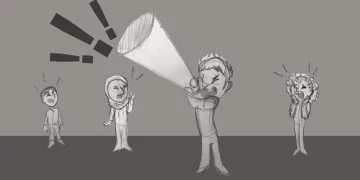













Storytelling has been an integral part of human culture for millennia, shaping the way we understand the world and each other. From ancient myths to modern novels, from films to digital narratives, stories have the power to stir emotions, challenge beliefs, and transform societies. But what is it that makes a story great? Is it simply a matter of structure, character development, or themes? Or, as some suggest, is there something more fundamental at play—a lie?
The question “Is every great story built on a lie?” may seem counterintuitive. After all, the best stories often feel authentic, true to the core of human experience. Yet, upon deeper reflection, it becomes clear that many of the most memorable tales are constructed around a form of deception—either a literal lie, a half-truth, or a narrative trick. But why? And how does this apparent lie enhance the story?
The Nature of Lies in Storytelling
Lies, as we commonly understand them, are false statements or deceitful actions intended to mislead. But in the context of storytelling, lies can take on different forms. They can be:
- Misleading Narratives: Where the audience or characters are initially led to believe something false, only to discover the truth later.
- Unreliable Narrators: Where the storyteller presents a version of events that may not be entirely trustworthy.
- Fictional Constructs: Where the entire world of the story is based on a fictional or imagined reality that is fundamentally different from the real world.
These lies may not always be malicious but serve as tools to engage the audience, create conflict, or explore deeper truths about the human condition. In fact, a story’s power often lies not in its truthfulness, but in how it plays with the tension between truth and falsehood.
Great Stories Depend on Deception
Think about the classics of literature, film, or even contemporary media. Many of the most enduring works are built on lies in some form.
- The Hero’s Journey: In many stories, the hero begins with a false understanding of their identity or their mission. From The Odyssey to Star Wars, the protagonist often embarks on a quest based on misleading or incomplete knowledge, only to discover the truth about themselves or the world along the way. These lies are necessary to create the emotional and intellectual journey.
- Plot Twists and Revelations: A common narrative technique is the plot twist—an unexpected revelation that re-contextualizes everything that came before. This “lie,” or false premise, builds anticipation and excitement, leading to catharsis when the truth is unveiled. Films like The Sixth Sense or novels like Gone Girl are powerful because they exploit this deception.
- Unreliable Narrators: The concept of an unreliable narrator has been explored in works like The Great Gatsby and Lolita, where the reader is led to question the truthfulness of the storyteller. In such cases, the lie isn’t just part of the plot—it’s the fabric of the narrative itself. The truth is slowly pieced together through the distortions, biases, and omissions of the narrator.
- Fiction vs. Reality: One of the most fascinating aspects of storytelling is that entire fictional worlds are built on lies, but these “lies” allow us to explore profound truths about human nature. The fantasy genre thrives on world-building, where writers create entire universes that are entirely fictional. Yet, within these made-up realms, themes of love, betrayal, loyalty, and sacrifice often feel just as true, if not more so, than those in the real world.
Why Do We Love Stories That Lie?
Why is it that audiences are drawn to stories built on lies? Is it simply because we love surprises? Perhaps. But the answer lies deeper in the way that humans relate to truth and deception.
- Escapism: Life can be monotonous and often harsh. A well-constructed lie offers an escape—an alternative reality where anything is possible. The story creates a space where we can experience things that we might not be able to in our own world. But even within these fabrications, the emotions and experiences can feel real, making the lie feel more like a liberating truth.
- Suspense and Engagement: The lie serves to create suspense. If we know everything upfront, there’s little room for discovery or growth. By keeping part of the story hidden or misleading, storytellers engage the audience’s curiosity and emotions. This tension between knowing and not knowing is part of what makes a narrative compelling.
- Exploring Deeper Truths: Great stories often use lies not just for entertainment but as a tool for exploring deeper moral or philosophical questions. A character’s misunderstanding or belief in a falsehood often mirrors a universal human struggle. Perhaps the story is not about the lie itself, but about the journey of unearthing the truth behind it. In this way, the lie becomes a symbol for the complex ways in which we navigate our own lives and beliefs.
- Catharsis: The moment of revelation—the “unmasking” of the truth—can be a powerful emotional release. This is why stories that employ deception often lead to cathartic experiences. The audience has invested in the story, and when the lie is revealed, it feels like a moment of profound clarity. This mirrors life itself, where we are often deceived by our perceptions and beliefs, only to have those illusions shattered in moments of realization.
Lies in Different Forms of Media
While the question at hand is whether every great story is built on a lie, it’s worth exploring how different forms of media utilize this concept.

- Literature: In novels, lies are often woven into the fabric of the narrative. In works like The Catcher in the Rye, Holden Caulfield’s lies to himself about the world reflect his deep insecurities and struggles with adulthood. Even in books that are not overtly deceptive, the structure of storytelling often involves misdirection or withholding information to create emotional resonance. This technique heightens the sense of discovery and adds layers of meaning.
- Cinema and Television: Film and TV often rely heavily on twists, misdirection, and unreliable narration to create compelling stories. Directors like Christopher Nolan (Memento and Inception) and David Fincher (Fight Club and Gone Girl) have made careers out of creating narratives where the audience’s understanding of the truth is constantly in flux. These stories engage the audience by challenging their assumptions and keeping them on the edge of their seats until the final reveal.
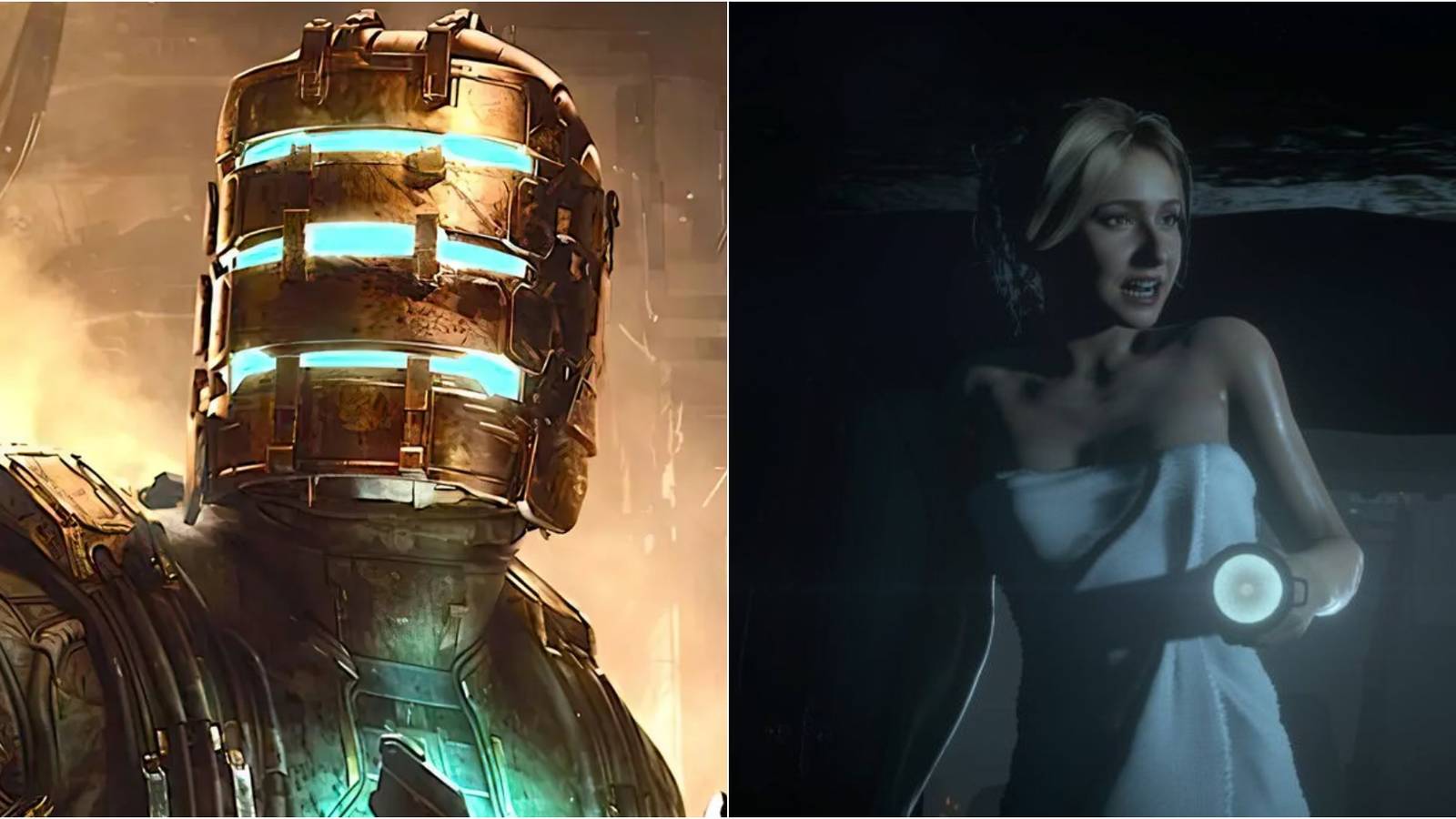
- Video Games: In the realm of interactive storytelling, video games also play with the notion of lies. Many games feature unreliable characters or plot twists that force the player to reconsider their choices and actions. Games like The Last of Us or Bioshock Infinite present narratives that question morality, perception, and identity, often using deception to deepen the player’s emotional connection to the story.
- Oral Traditions: Historically, many of the greatest stories—whether mythological tales or fables—were told through oral traditions. These stories were often exaggerated, altered, or even invented by the storyteller to convey a moral lesson or to entertain. The “lie” in these stories was not meant to deceive but rather to enhance the narrative, making it more memorable or impactful.
The Ethical Implications of Lies in Stories
While lies play a crucial role in storytelling, there are ethical considerations. When does a story go too far in its manipulation of truth? Does the use of lies in a narrative risk undermining the audience’s trust, or is the lie simply a necessary tool for the exploration of deeper themes?
- Manipulation vs. Art: Some critics argue that manipulation—especially in films or media that deceive the audience—can undermine the integrity of a story. The ethical concern here is that the audience may feel cheated or betrayed by the falsehoods introduced by the narrative. Yet, in many cases, the lie is not intended to manipulate, but to challenge the audience’s understanding of the world.
- Truth vs. Fiction: Another concern is the blurring of lines between fiction and reality. With the rise of media platforms that mix storytelling with news, reality TV, and social media, there are new questions about how stories—both true and false—are presented to the public. The role of the storyteller becomes more complex as the line between truth and fabrication grows increasingly murky.
Conclusion: The Lie as a Gateway to Truth
Is every great story built on a lie? Not necessarily. But every great story can be built on a lie—or at least a manipulation of truth. Whether through unreliable narrators, plot twists, or outright deception, lies are powerful storytelling tools that create emotional depth, suspense, and thematic richness. They challenge our perceptions, engaging us in a complex dance between what is real and what is imagined.
In the end, stories that are built on lies allow us to explore the nuances of human experience in ways that straightforward truth-telling cannot. They reflect the messy, imperfect nature of the world, where appearances often deceive, and the journey toward understanding is shaped by both the truth and the lies we encounter along the way.